Irish Pub NYC: A Local Favorite for Food, Drinks, and Fun
New York has never lacked for places to eat or drink. What it has always needed, and what regulars tend to protect with real loyalty, are places that feel dependable. Not trendy for six months, not built around a gimmick, not so polished that nobody relaxes once they sit down. A great Irish pub in the city fills that role better than almost any other kind of venue. It offers warmth without trying too hard, good food without ceremony, and a room that can shift from quiet lunch spot to crowded late night hangout without losing its identity.
That is why the phrase Irish Pub NYC carries more weight than a simple category label. For many New Yorkers, it signals a certain kind of experience. You expect a bar staff that knows how to move quickly but still remembers faces. You expect pints poured with care, a menu that goes beyond the bare minimum, and a room where office workers, neighborhood regulars, tourists, and sports fans can all fit without the place feeling confused. When an Irish pub gets those basics right, it stops being a stop on the way somewhere else and becomes the place people suggest first.
The appeal starts with atmosphere, but it does not end there. Anyone who spends time in the city knows that atmosphere alone is cheap currency. Plenty of places can dim the lights, put wood on the walls, and hang framed vintage signs. The local favorites go further. They create comfort through consistency. The music level stays lively without making conversation a chore. The bartenders work with confidence rather than attitude. The room feels lived in, which is not the same as worn out. There is a difference between age and neglect, and seasoned pub owners understand it.
A strong Irish pub in New York usually succeeds because it knows exactly what kind of room it wants to be. It does not chase every dining trend or redesign itself every season. It leans into what works. The bar is often the center of gravity, with enough seats for solo guests who want one pint and enough surrounding tables for groups settling in for a full evening. The lighting matters more than many people realize. Too bright, and the room loses its ease. Too dark, and the food loses appeal. The best spots hit that middle ground where a lunch crowd feels welcome and a night crowd feels energized.
Food is where many pubs win over guests who first walked in just to drink. People often talk about pub fare as if it were simple by nature, but simple food is harder to execute well than ambitious food. Shepherd’s pie, fish and chips, a proper burger, bangers and mash, a steak sandwich, or a bowl of rich onion soup all rely on timing, seasoning, and restraint. If the fries sit too long, if the batter goes heavy, if the mashed potatoes are gluey, diners notice immediately. A local favorite earns its status by getting these details right on busy nights, not just on slow afternoons.
Fish and chips is usually the clearest test. In a city with endless options, nobody forgives a soggy plate. A good version arrives with crisp batter that holds its crunch, flaky fish inside, and fries that can stand on their own rather than functioning as filler. Tartare sauce should taste fresh, not like something scooped from a generic tub. Malt vinegar should be available without a guest needing to ask twice. These seem like small touches, but they signal standards. The same goes for Irish staples. Shepherd’s pie should have depth, not just ground meat under a blanket of potato. Corned beef has to be sliced and seasoned properly. Soda bread, when offered, should feel deliberate rather than decorative.
What separates a strong kitchen from a merely serviceable one is range. The menu does not need to be huge, but it should satisfy different kinds of guests at the same table. One person may want a filling plate after work, another a lighter salad with grilled salmon, another a stack of wings for the game, another a vegetarian entrée that feels thought through instead of reluctantly added. Pubs that last in New York tend to understand this balancing act. They keep the identity of a pub while broadening the menu enough to remain useful throughout the week.
Brunch, in particular, has become a revealing category. New Yorkers do not treat brunch casually. They expect value, generous portions, and drinks that justify the outing. An Irish pub that offers a smart brunch menu can become a weekend staple for whole friend groups, especially if it avoids the common mistake of turning brunch into a loud, chaotic imitation of a nightclub. The better approach is hospitality first. A pub brunch works when the eggs are cooked correctly, the coffee is hot, the Bloody Mary is seasoned well, and the room still feels like a place where conversation matters.
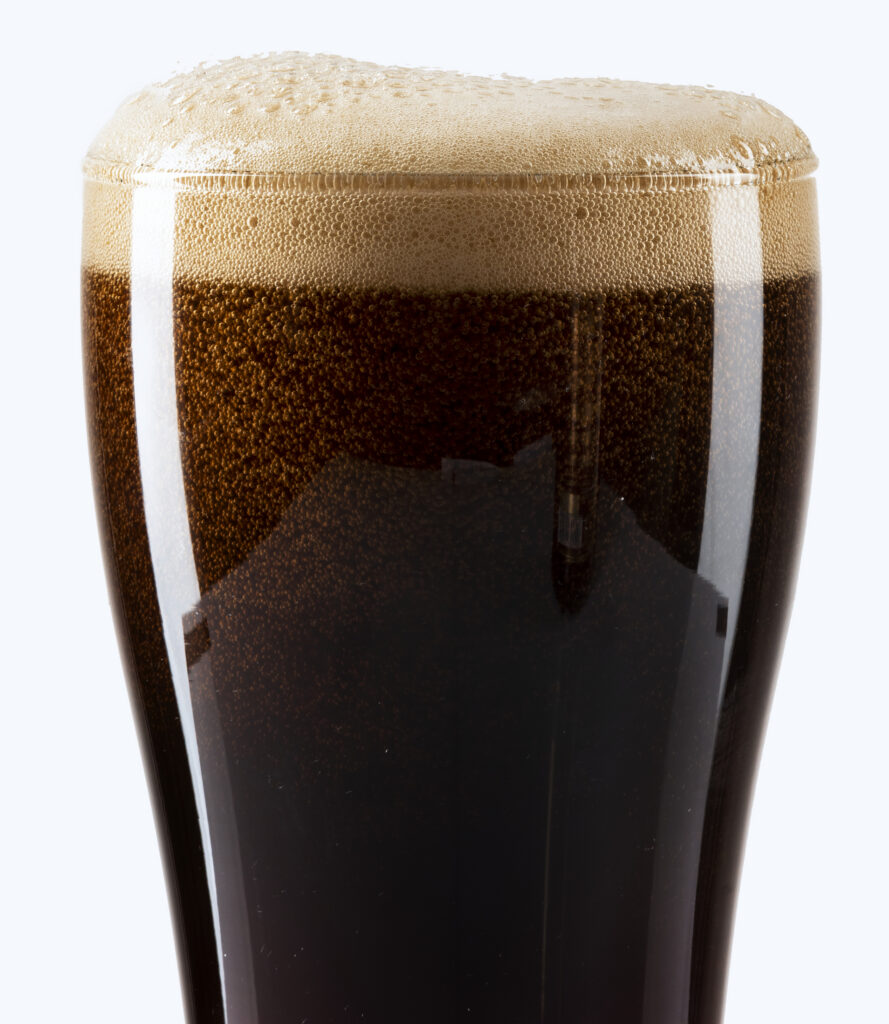
The drinks side, of course, is where the identity of an Irish pub is tested every single night. Beer quality sounds obvious, yet many places fail on storage, line cleanliness, or pour discipline. A good pint is not just about the brand name on the tap. It is about temperature, glassware, freshness, and technique. Guinness, in particular, has become a shorthand measure in the city. People notice whether it is poured with patience, whether the head is creamy and stable, whether the first sip tastes smooth rather than flat. Even guests who order lager or ale often judge a pub by how seriously it treats that first Guinness order.
Whiskey matters too, though not in the way some bar programs advertise it. Most guests do not need a three page speech about rare bottles. They need a thoughtful range. A proper Irish whiskey selection should include accessible pours for casual drinkers, a few higher end options for enthusiasts, and bartenders who can guide someone without making them feel ignorant. Jameson may be the familiar starting point, but a pub that wants to build a real reputation often adds depth with bottles that show different styles, finishes, and age statements. The key is usefulness. A back bar is not a museum.
Cocktails play a role, even in a beer-forward house. This is one area where some traditional pubs have adapted well and others have been slow to catch up. Not every guest wants a pint or whiskey neat, and a modern New York pub ignores that reality at its own risk. A concise cocktail list, done properly, can make the room more welcoming without compromising its core identity. The strongest programs avoid overcomplication. Espresso martinis, well-made old fashioneds, seasonal spritzes, and classic sours tend to outperform clever experiments with obscure ingredients. In a busy pub setting, precision and speed matter more than novelty.
Service is often the deciding factor in whether a place becomes a local favorite or just another acceptable option. New Yorkers are good at spotting the difference between efficiency and hospitality. Efficiency gets the food and drinks to the table. Hospitality shapes how people feel while they are there. In a packed pub, the best staff members move fast, keep the mood light, and solve problems before they grow teeth. They know when to check in and when to let a table settle. They can handle a regular who wants his usual, a tourist asking for recommendations, and a six-top splitting the bill five ways, all without turning the room tense.
This matters even more during peak hours. A pub can be forgiven for being busy. It cannot be forgiven for being disorganized. The local institutions understand pacing. They know how to staff before the sports rush, how to turn tables without making guests feel pushed, and how to keep the bar rail moving without losing warmth. That combination is harder to achieve than it looks. In my experience, the best pub managers in New York are half host, half traffic controller. They read the room constantly, adjusting the energy in ways guests notice only when it is done badly somewhere else.
Sports are another major part of the equation, especially for an Irish Pub NYC crowd. Watching a match or a playoff game in a pub can be one of the city’s most satisfying social rituals. Yet not every sports bar atmosphere translates into a good pub atmosphere. The distinction matters. A pub should be lively during big games, but it should not feel hostile to anyone who came to talk, eat, or simply unwind. The right setup includes enough screens to keep fans engaged without turning every wall into visual clutter, plus sound management that lets the room rise naturally with the action.
Soccer mornings are a good example. A pub that opens early for Premier League or major tournament matches often attracts a devoted following. The crowd can be loud, but the best rooms keep that excitement grounded in camaraderie rather than chaos. Staff prepare for the pace, coffee shares table space with pints, and the kitchen understands that breakfast service during a match has its own rhythm. That kind of recurring event builds community. People return not just for the game, but for the familiar room and the people in it.
Live music can deepen that sense of place when handled thoughtfully. There is a long tradition of music in Irish hospitality spaces, but success depends on scale and timing. A two-piece folk set in the corner on a Thursday evening creates one effect. A full band cranked too loud in a small room creates another, and not always a good one. The best pub programming respects the room. Music should support the evening, not swallow it. Guests who came for conversation still need to hear one another. That sounds obvious, yet many operators miss it.
One reason people keep returning to their favorite pub is flexibility. It works for different kinds of nights. You can stop in alone after work, meet a date there without embarrassment, bring relatives visiting from out of town, or gather a group before a concert or after a game. Few restaurant concepts carry Article source that much range. A good pub handles birthdays, first meetings, casual business drinks, and spontaneous one more round nights with equal ease. It does not require a dress code, a strategy, or a special occasion.
That usefulness becomes especially valuable in a city where many places feel overprogrammed. Some venues are built only for dinner reservations. Others are strictly late night spots. Some cafés never transition well into evening service. The local Irish pub bridges those gaps. It can be a lunch destination one day and a midnight refuge the next. During colder months, that role becomes even more pronounced. There are few better feelings in New York than stepping in from rain or winter wind, hearing the room before you fully see it, and settling into a booth with a hot meal and a properly poured drink.
Neighborhood context shapes the personality of each pub, too. A Financial District crowd behaves differently from one in the East Village or on the Upper West Side. Midtown pubs often need to serve office workers, tourists, and theatergoers all in the same night. Downtown spots may lean more heavily into weekend energy and sports traffic. Near transit hubs, speed becomes part of the service model. In residential areas, regulars set the tone. The best operators build around those realities instead of copying a concept that worked somewhere else.
Price also deserves a realistic look. New York is expensive, and no honest discussion of a local favorite should pretend otherwise. The question is rarely whether a pub is cheap. It is whether it feels fair. Guests will pay city prices if portion sizes are respectable, pours are honest, and service is polished. They become resentful when menus feel inflated without giving anything back. Value can show up in many forms: a strong lunch special, a happy hour with real savings, a burger substantial enough to justify the cost, or a whiskey pour that does not feel stingy. Pubs that understand perceived value tend to keep regulars through changing economic cycles.
If someone is trying to identify a pub worth returning to, a few practical signs usually stand out quickly.
- The room has repeat customers who are clearly known by staff, but newcomers still feel welcome.
- The kitchen sends out food that looks cared for, even during a rush.
- The beer tastes fresh, and the basics are poured correctly every time.
- The noise level fits the hour rather than sitting at one constant volume.
- People linger comfortably, which is often the strongest proof that a place feels right.
These clues are simple, but they are reliable. Flashy décor can distract first-time guests, while these details reveal whether the place has staying power.
For groups planning a night out, an Irish pub often solves problems before they start. It is easier to choose than a narrowly themed restaurant, easier to navigate than a bottle-service venue, and more forgiving if people arrive in stages. Large parties can share appetizers, some guests can eat fully while others only drink, and there is less pressure for everyone to behave according to one script. That practical advantage matters in New York, where coordinating six or eight schedules is often harder than choosing the neighborhood.
Private events are another area where pubs quietly outperform more obvious event spaces. A back room or semi-private section in a well-run pub can work for birthdays, retirement gatherings, fantasy draft parties, alumni events, and low-key corporate socials. The environment already feels sociable, so hosts do not have to manufacture atmosphere from scratch. Food packages tend to be more straightforward, and guests usually know what to expect. The event may not be glamorous, but it often ends up more enjoyable.
There are, of course, trade-offs. A beloved neighborhood pub may not take reservations for small groups, which can be frustrating on a busy Friday. The menu may favor comfort over dietary specialization. The room may get crowded enough during major games that casual drop-ins are not realistic. Some people looking for a quiet, highly curated dining experience may prefer another format entirely. Those limitations are real, but they are usually part of the bargain rather than signs of failure. A pub that serves many purposes cannot optimize for every preference at once.
For visitors to the city, choosing an Irish pub can also be a smart way to avoid common tourist traps. A pub with a stable local base usually reveals itself quickly. Staff talk to people rather than at them. Prices, while not low, feel grounded in the neighborhood. The food menu includes recognizable staples but is not just a laminated afterthought. If a place is full of actual New Yorkers at ordinary hours, that is a good sign. Tourists often chase famous names when what they really want is comfort, conversation, and a sense of the city at ease. A solid pub can deliver that better than many headline attractions.
The enduring strength of the Irish Pub NYC experience lies in its balance. It can be social without being chaotic, traditional without feeling frozen in time, and casual without slipping into mediocrity. That balance is why locals keep certain spots in steady rotation year after year. They know what they are getting, but they also know the night can still surprise them in the best ways. Maybe it is an unexpectedly great bowl of stew on a freezing evening, a bartender recommending the right whiskey for your taste, or a game-winning goal that turns a room full of strangers into a temporary chorus.
Cities often celebrate novelty more loudly than reliability. Yet the places people truly miss when they close are usually the ones that anchored ordinary life. The neighborhood pub does exactly that. It gives structure to weeknights, a default plan for weekends, and a dependable room for celebrations that do not need fanfare to matter. In a city that changes by the block and by the season, that kind of steadiness feels less like nostalgia and more like wisdom.
That is why a great Irish pub remains such a local favorite in New York. It offers food people actually want to eat, drinks worth ordering again, and fun that grows naturally from the room rather than being imposed on it. Get those elements right, and the pub becomes more than a business. It becomes part of the rhythm of the neighborhood, which is the highest compliment any New York establishment can earn.
Hibernia Bar
401 W 50th St
New York, NY 10019, United States
Phone: +1 212-969-9703
FAQ About Irish Pub NYC
What is the best Irish pub in NYC?
The best choice depends on your location and preferred atmosphere. Hibernia Bar is a neighborhood Irish pub in Hell's Kitchen offering Guinness, Irish whiskey, pub food, and sports viewing.
Where do Irish people go in NYC?
New York's Irish community gathers in many neighborhoods and venues. Hibernia Bar welcomes Irish expats, local residents, and visitors at 401 W 50th St, just off Ninth Avenue.
Where can I watch GAA games in New York?
Hibernia Bar lists GAA among the sports it shows. Call +1 212-969-9703 to confirm coverage and opening times for a particular match before visiting.
What is the difference between a bar and a sports bar?
A sports bar emphasizes televised games and a shared viewing atmosphere. Hibernia combines sports viewing with the food, drinks, and hospitality of a neighborhood Irish pub.