The Unique Energy of an Irish Pub in NYC After Dark
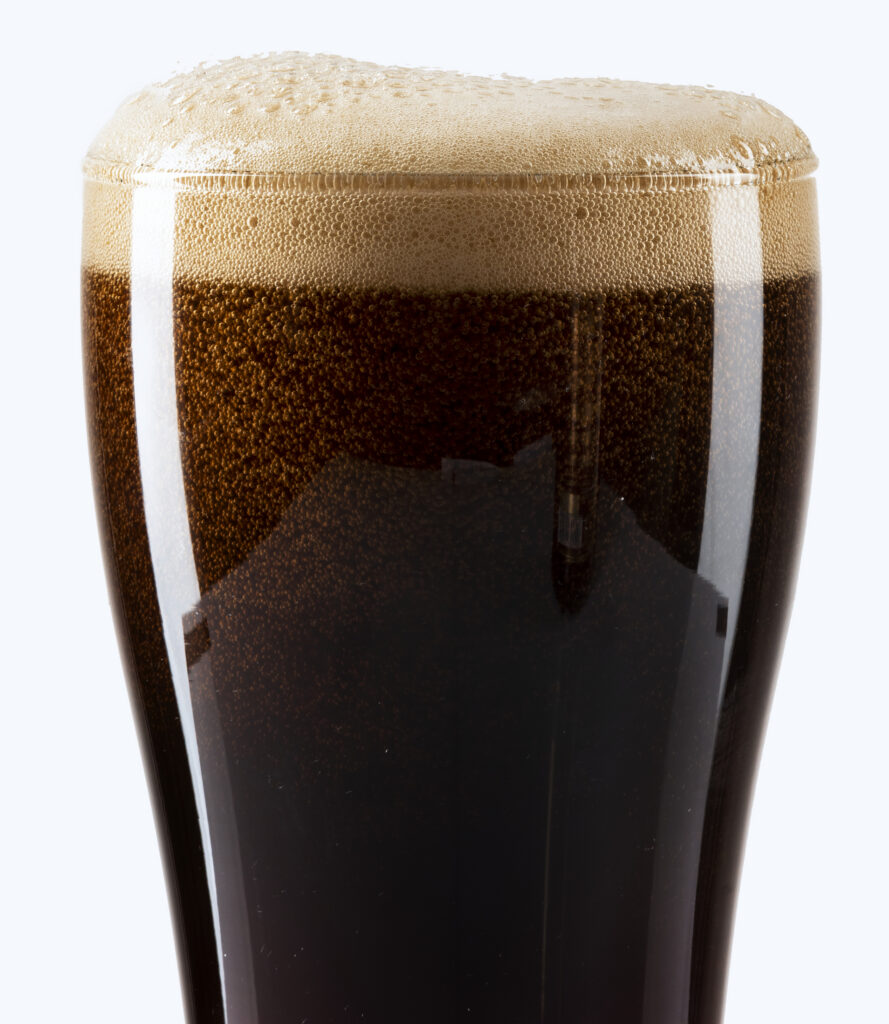
New York has no shortage of places to drink after sunset. The city trades in nighttime identity. Cocktail bars sell precision, rooftops sell spectacle, wine bars sell restraint, and sports bars sell volume. Yet an Irish Pub NYC regular will tell you that none of those categories fully captures what happens when a good pub hits its stride after dark. The lights soften, the crowd thickens, voices rise without tipping into chaos, and a room that looked ordinary at 6 p.m. Suddenly feels charged. Not loud for the sake of being loud, not curated within an inch of its life, but alive in a way that is difficult to fake.
That energy is not an accident. It comes from habit, architecture, staffing, timing, music, memory, and the peculiar chemistry of New York itself. A strong Irish pub in this city holds several worlds at once. It can be a neighborhood anchor, a refuge for hospitality workers ending a shift, a landing spot for office groups who missed their train window, and a late-night comfort for people who want to be around others without needing a scene. That layering is what gives the room its pulse.
A room that changes personality after 8 p.m.
Many bars reveal everything they have in the first ten minutes. You walk in, take in the lighting, gauge the playlist, look at the back bar, and you know what the next two hours will feel like. A good Irish pub does not work that way. In the daytime, it may seem straightforward, almost plain. The wood is dark, the mirrors are old or made to look old, the pints are poured steadily, and the conversation feels practical. Then evening settles in, and the same room starts to read differently.
Part of that shift comes from density. Irish pubs tend to wear a crowd well. A little compression improves them. The polished bar top catches the amber light. The voices at the far end blur into atmosphere. Coats pile on hooks. A table of four becomes six without anyone making a production out of it. Unlike minimalist bars, which can feel strained once they fill up, pubs often seem more complete when they are occupied. They are built for overlap.
The layout matters. Narrow passages, intimate booths, a bar that encourages standing with one shoulder turned toward the room, these features create contact without forcing it. You overhear enough to feel connected but not trapped in someone else’s night. That balance is harder to design than it looks. Too open, and the place loses warmth. Too tight, and it becomes exhausting. The best pubs land in the middle. They allow for privacy in public, which is one of New York’s great social talents.
The sound is the point, not the problem
People often talk about nightlife in terms of music volume, as if louder always means livelier. In a strong Irish pub, sound works differently. It is layered rather than dominated. The soundtrack might include traditional Irish music, classic rock, a bit of soul, contemporary tracks that fit the room, or no music at all for stretches. More important than genre is the mix between music, glassware, laughter, and conversation. The room should feel animated, not assaulted.
That distinction matters in New York, where many bars mistake strain for excitement. If you have to lean six inches from someone’s ear all night, you are not really socializing. You are decoding. The pub tradition values The original source talk. Not polished, confessional, candlelit talk, but real conversation with some rough edges to it. Stories get repeated. Jokes are stolen and improved. People cut in from the next stool. A bartender remembers where you work, who you came in with last time, what match you were complaining about two weeks ago.
After dark, that conversational current becomes its own entertainment. On one side of the room, a group may be debating whether to order another round or surrender to the subway. At the bar, someone visiting from Dublin ends up in a ten-minute conversation with a Bronx-born regular about hurling, baseball, or rent. Near the door, two off-duty servers compare notes on impossible tables and burned-out managers. None of it is scripted, and that is the attraction.
The bartender sets the temperature
Few roles shape a nighttime room more than the bartender in an Irish pub. In cocktail culture, the bartender is sometimes presented as a technician, part chemist, part performer. In a pub, technical skill matters, especially in something as deceptively simple as pouring a proper pint, but the bigger job is social calibration.
A seasoned pub bartender knows how to move a night along without making it feel managed. They can spot the difference between a group getting festive and a group drifting toward trouble. They know when to keep service brisk and when to linger for a sentence or two that makes a guest feel recognized. They can handle a rush without letting the room turn sharp. In New York, where patience often runs thin by 9 p.m., that ability is worth more than any back-bar collection.
I have watched bartenders in packed Manhattan and Queens pubs run a room almost musically. One hand works the taps, the other clears glasses, and somehow they are still tracking who just arrived from a late shift and who needs water before another whiskey. They are not merely serving drinks. They are absorbing pressure. When they do it well, the room feels effortless. When they do it poorly, even a beautiful space falls apart.
There is also a specific generosity to pub service that regulars notice. It is not indulgence. It is fluency. The bartender understands that some people came for one careful pint, some came to celebrate, and some came because they did not want to go home to an empty apartment yet. Each requires a different read. A city bar that can accommodate all three at once earns loyalty fast.
Why the pint tastes different at night
There is a reason people speak with unusual affection about a pint in the right setting. It is not just the liquid. Temperature, pour, glassware, and line maintenance all matter, of course. So does pace. Beer behaves differently when it is part of the room’s rhythm instead of a background purchase.
At night, especially in a busy Irish pub, the beer moves. That sounds obvious, but turnover affects freshness in real ways. A stout or lager served from a line that sees steady use tends to show better than the same beer in a sleepy room. Add proper glassware and a bartender who takes pride in consistency, and a familiar drink can feel transformed.
Whiskey, too, takes on a different role after dark. In many pubs, it is not presented as a luxury object requiring a lecture. It is integrated into the social fabric. Someone orders a neat pour because that is what they always have after a long day. Another asks for a shot and a beer. A table sends one round to mark a birthday, a promotion, or the fact that everyone somehow survived the week. The point is not ceremony. The point is ease.
That ease is central to the late-night energy of an Irish Pub NYC crowd. Drinks are part of the current, not a distraction from it. The room does not stop every time an order arrives. It keeps flowing.
Sports, music, and the art of shared attention
One underappreciated feature of the Irish pub after dark is its flexible relationship with attention. On some nights, the room orients around a match. On others, live music takes over. Sometimes the television is on, but hardly anyone is truly watching. In all three cases, the pub benefits from having a common focal point that can gather the crowd without flattening individual conversation.
Sports are particularly effective because they generate bursts of collective feeling. A goal, a bad call, a final-minute miss, these moments give strangers permission to react together. In New York, where people are often careful about personal boundaries, a shared groan or cheer can puncture reserve quickly. Suddenly the room has a memory. “Were you here for that match?” becomes part of the place’s social archive.
Live music changes the energy differently. The best pub music does not feel imposed on the room. It grows from it. A fiddler in the corner, a singer with a guitar, a small group handling standards and singalongs, these can elevate a night if the volume and repertoire match the space. If the performance turns the room into a stage set where conversation becomes impossible, the spell breaks. The sweet spot is participatory rather than performative.
There is a practical reason this matters. People stay longer in places that know how to direct attention without confiscating it. A pub that can host a game, accommodate conversation, and let a song carry the room for five minutes has more staying power than a venue built around one mood alone.
The crowd is mixed, and that is the magic
After dark, the typical Irish pub in New York becomes one of the few remaining places where social categories blend without feeling strategic. It is not a networking event in disguise. It is not so exclusive that everyone arrives pre-sorted by income, profession, or age. You will still find patterns, of course. Certain pubs lean younger, older, more local, more tourist-heavy, more tied to finance, theater, construction, or the service industry. But the enduring appeal of the format is that it welcomes mixture.
On a given night, the room may include a pair of teachers, an actor who just got out of rehearsal, a family friend in from Long Island, two nurses ending a 12-hour shift, a retired regular with a designated stool, and a group of twenty-somethings who started elsewhere and suddenly realized they wanted a place with better drinks and fewer pretensions. That combination changes the tone. It creates friction in the best sense. Stories cross. People behave a little less predictably. The room feels like the city rather than a niche version of it.
That diversity also keeps the pub honest. A place built only for trend seekers has to chase relevance constantly. A pub with regulars from several generations and professions can survive fluctuations in fashion. It knows what it is. In a city that reinvents itself every season, that confidence reads as luxury.
The late-night glow of ritual
Every enduring pub has rituals, even if no one announces them as such. A certain table is claimed every Thursday by the same friends. The bartender starts pouring as soon as a regular walks in. A song prompts the room to sing. Someone insists on one last round and is ignored because everyone knows there will be two. These patterns matter more than design trends because they create emotional predictability.
New York can be exhilarating, but it is also expensive, transient, and tiring. Rents rise, jobs change, restaurants close, neighborhoods shift under people’s feet. Ritual gives shape to all that movement. The pub becomes a place where the variables narrow a bit. You know roughly what the room will smell like, how the first sip will land, where to stand if you want to be left alone, and where to stand if you do not.
That sense of continuity is especially strong after dark, when the city’s uncertainties tend to sharpen. People do not always head to the pub because they are celebrating. Sometimes they go because they need a setting sturdy enough to hold whatever mood they arrived with. A good pub can absorb grief and joy on the same bar top within the same hour. Few nightlife formats can do that without feeling disjointed.
Not every Irish pub gets it right
It is worth saying plainly that the phrase “Irish pub” covers a wide range of places, and not all of them deliver the same nighttime experience. Some rely too heavily on décor, importing the visual signals of authenticity without the service culture or neighborhood grounding that makes the concept work. Others chase rowdiness because they think that is what patrons expect after 10 p.m. The result can feel generic, even if the Guinness signs are in place and the woodwork looks the part.
A pub can also lose itself by trying too hard to be everything. If the menu expands into bistro territory, the playlist swings wildly with every hour, the screens dominate every wall, and the drinks program becomes self-conscious, the room may stop feeling coherent. Balance is the difficult thing. The best spots know what to leave alone.
There are a few signs that usually separate a strong nighttime pub from a weak one:
- The staff greets regulars warmly without making newcomers feel invisible.
- The music supports the room instead of competing with it.
- The bar pours efficiently during a rush, but never feels frantic.
- The crowd is mixed enough to keep the atmosphere loose and interesting.
- The place has character that survives even when every seat is taken.
Those markers sound simple. In practice, they require discipline and consistency, which is why so many places miss them.
Food matters more than people admit
Ask most people what defines an Irish pub after dark, and they will start with drinks, atmosphere, or music. Fair enough. But the kitchen often plays a quiet, decisive role. Good late-evening food stabilizes a room. It gives people a reason to stay, rounds out a second drink, and softens the hard edge that appears when everyone is drinking on an empty stomach.
The standard pub menu works because it is built around craving and practicality. Stew, shepherd’s pie, fish and chips, a solid burger, curry fries, soda bread, maybe bangers and mash if the kitchen handles it well. None of this needs reinvention. What matters is execution and timing. A plate that arrives hot and competent at 10:15 p.m. Can rescue a night.
The food also broadens the pub’s social usefulness. Someone can stop in for dinner and stay for music. A couple can split a meal at the bar while meeting friends later. A solo diner can have a pint and a proper plate without feeling conspicuous. In New York, where many bars offer either excellent cocktails and poor food or serious food and joyless bar seating, that versatility counts.
What first-timers should know
For someone seeking the real after-dark experience, timing and expectations make a difference. Arrive too early, and you may catch the room before it wakes up. Arrive too late, especially on a weekend, and you may get only the outer shell of the experience, packed doorway, strained service, nowhere comfortable to stand. The sweet spot is often that middle period when dinner thins out and the night crowd begins to settle in.
A few practical habits help:
- If you want conversation, claim a spot at the bar or just off it, not directly beneath a speaker or beside the entrance.
- Order simply during the first rush, especially if the room is packed and the staff is flying.
- If the pub has live music, ask when it starts. The room can change dramatically once it does.
- Pay attention to the regulars. Their pace usually tells you more about the place than the menu does.
- Tip in line with New York standards and treat the bartender’s attention as earned, not automatic.
What surprises many first-timers is how little they need to do to enjoy themselves once they are in the right room. The pub carries some of the social burden. You do not have to invent a personality for the night. You can simply participate.
Why this particular kind of nightlife endures
The Irish pub after dark persists in New York because it satisfies two needs that rarely coexist. It offers energy without requiring performance, and familiarity without boredom. That combination is harder to find than it sounds.
The city is full of places where the point is to be seen, to optimize a reservation, to document the evening, or to demonstrate taste. There is nothing inherently wrong with any of that. But many New Yorkers eventually crave a room where they can arrive in work clothes or weekend clothes, alone or with ten people, tired or celebratory, and still feel that they belong to the evening. The pub provides that elasticity.
Its appeal is also emotional. The best ones carry a trace of continuity that cuts through the disposable feel of modern nightlife. They are not frozen in time, but they do respect forms that have proven durable: conversation over spectacle, warmth over cleverness, hospitality over theater. Even tourists sense this when they find the right spot. They may not know the names behind the bar, but they recognize the difference between a room with history and a room merely selling the image of it.
After dark, that difference becomes unmistakable. The city outside may be rushing, honking, improvising, and shedding one crowd for another. Inside the pub, something steadier takes over. Glass meets wood. A laugh travels farther than expected. A song starts, or a match turns, or a bartender slides a fresh pint into the right hands at the right moment. The room gathers itself. For a few hours, New York feels less fragmented.
That is the unique energy people return for. Not just the drink, not just the heritage, not just the mood, but the rare feeling that a public place still knows how to become communal at night. In a city famous for motion, the Irish pub remains one of the few places where people are happy to stay put.
Hibernia Bar
401 W 50th St
New York, NY 10019, United States
Phone: +1 212-969-9703
FAQ About Irish Pub NYC
What is the best Irish pub in NYC?
The best choice depends on your location and preferred atmosphere. Hibernia Bar is a neighborhood Irish pub in Hell's Kitchen offering Guinness, Irish whiskey, pub food, and sports viewing.
Where do Irish people go in NYC?
New York's Irish community gathers in many neighborhoods and venues. Hibernia Bar welcomes Irish expats, local residents, and visitors at 401 W 50th St, just off Ninth Avenue.
Where can I watch GAA games in New York?
Hibernia Bar lists GAA among the sports it shows. Call +1 212-969-9703 to confirm coverage and opening times for a particular match before visiting.
What is the difference between a bar and a sports bar?
A sports bar emphasizes televised games and a shared viewing atmosphere. Hibernia combines sports viewing with the food, drinks, and hospitality of a neighborhood Irish pub.